
- About Us
- Legal Services
- Family Law
- Property
- Marriage
- Immigration
- Contact
- Payments
Overstaying in Thailand — remaining after the date your permission to stay ends — is one of the most common legal problems foreigners face here. A short overstay usually ends with a fine at the airport. A longer one, or being caught by the police, can lead to detention, deportation and a ban on returning for up to ten years. This guide explains the fines, the bans, what happens if you are arrested and how to resolve an overstay safely.
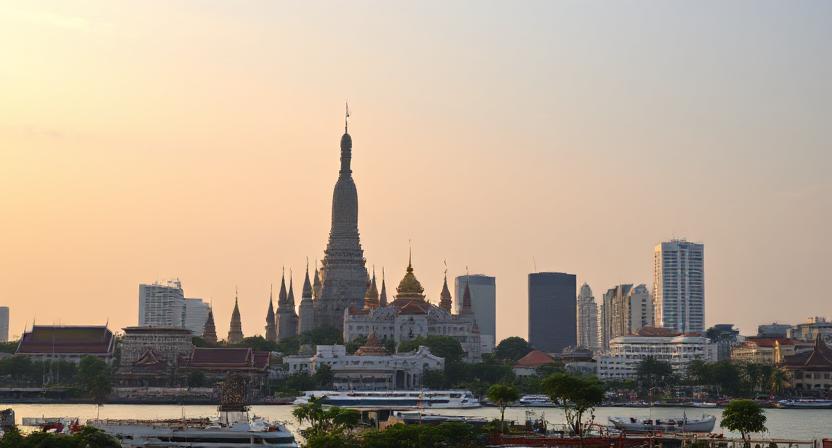
Visa-free stays are now shorter. From September 15, 2026, Thailand replaced its 60-day visa exemption with a 30-day exemption for tourists from 60 countries and territories (15 days for Mauritius and Seychelles). Land-border entries under the exemption are generally limited to twice per calendar year. People who entered before September 15 keep the stay they were granted on entry. If you have been used to 60 days, check the date in your passport carefully.
A 30-day exemption can usually be extended. It can generally be extended at an immigration office by up to 30 days, for a fee of 1,900 baht, at the immigration officer’s discretion. Apply before your permission expires.
The fine and ban rules are unchanged. The overstay fine remains 500 baht per day up to a maximum of 20,000 baht, and the re-entry ban schedule below still applies.
You overstay if you are still in Thailand after the date your permission to stay ends — the date stamped in your passport, or the end date of your latest extension. It makes no difference why you stayed: illness, a missed flight or a lost passport do not stop the overstay from counting, even if it is a single day. This applies equally to visa-exempt entries, tourist visas and long-stay extensions. A retirement or marriage extension that was not renewed in time is an overstay like any other. See our guide to retirement visa renewal.
Yes. Under Section 81 of the Immigration Act B.E. 2522, a foreigner who stays in Thailand without permission, or after their permission has ended, can be punished with up to two years’ imprisonment, a fine of up to 20,000 baht, or both. Section 54 allows immigration officers to remove such a person from the country. In practice, people who report to immigration before leaving can usually settle the overstay by paying a fine. The serious consequences — prosecution, detention and long bans — mainly follow when the overstay is long or the person is arrested.
According to the Thai government’s guidance, an overstay of 90 days or more is treated as a serious matter, with the maximum fine, prosecution and deportation.
Under a Ministry of Interior order in force since March 20, 2016, overstayers are banned from returning for a period that depends on the length of the overstay and on whether they came forward or were arrested. The ban runs from the date you leave Thailand.
| Situation | Re-entry ban |
|---|---|
| Reported voluntarily, overstay of more than 90 days | 1 year |
| Reported voluntarily, overstay of more than 1 year | 3 years |
| Reported voluntarily, overstay of more than 3 years | 5 years |
| Reported voluntarily, overstay of more than 5 years | 10 years |
| Arrested, overstay of less than 1 year | 5 years |
| Arrested, overstay of more than 1 year | 10 years |
The difference is stark: a person arrested after six months’ overstay faces a five-year ban, while someone who comes forward voluntarily after the same period faces one year. Read more about being blacklisted in Thailand.
An overstay can come to light when the police check a foreigner for another reason. If you are arrested for overstaying:
You will then face the longer “arrested” ban in the table above. If someone you know has been detained for an overstay, contact a criminal lawyer in Bangkok promptly.
For help with visas and extensions, see our immigration services.
You pay a 500-baht fine at the immigration checkpoint when you leave. An overstay of under 90 days for which you report voluntarily does not carry a re-entry ban under the schedule above.
20,000 baht. The daily fine of 500 baht reaches this cap at 40 days. Longer overstays bring the risk of prosecution, deportation and a re-entry ban.
Yes. You can pay at the immigration checkpoint before you depart, with your passport and ticket.
It depends on the length of the overstay and on whether you came forward or were arrested — from one year to ten years. See the table above.
Yes. Section 81 of the Immigration Act provides for up to two years’ imprisonment, a fine of up to 20,000 baht, or both. People who report voluntarily can usually settle it with a fine, but arrest brings a real risk of detention and prosecution.
If you have overstayed, the decisions you make before you approach immigration can change the outcome — and the length of any ban. For confidential advice, contact our team. Our office is on the 22nd floor of the Interchange 21 Building, 399 Sukhumvit Road, Bangkok, and you can call us on +66 2 611 2881.
About the author
This article was written by Valentin Declercq, CEO of G.A.M. Legal Alliance, who holds a Master’s degree in Law (LLM) from the Université libre de Bruxelles (ULB) in Belgium. G.A.M. Legal Alliance, founded in 2011, is based in Bangkok and provides individuals with expert legal support for issues related to immigration, litigation, property purchases and many other areas.
Last updated: October 2026. This article provides general information about Thai law and does not constitute legal advice. For advice on your situation, please contact us.