
- About Us
- Legal Services
- Family Law
- Property
- Marriage
- Immigration
- Contact
- Payments
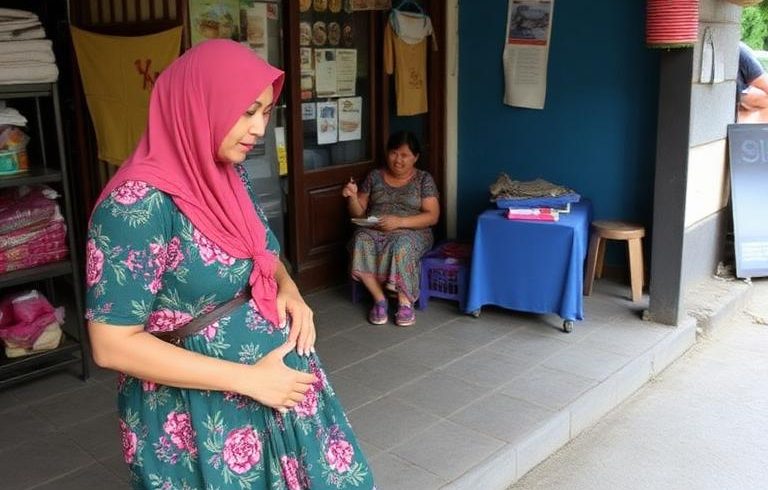
 In a significant move to combat declining birth rates and modernize labor welfare, Thailand officially implemented the Labour Protection Act (No. 9) B.E. 2568 (2025). Effective December 7, 2025, this legislation marks the first major overhaul of family- related leave in nearly two decades, extending maternity leave to 120 days and introducing revolutionary protections for spouses and children with health complications.
1. The Core Extension:
120 Days of Maternity Leave The headline change is the increase in statutory maternity leave from 98 days to 120 calendar days per pregnancy. This extension includes leave taken for pre-natal care (check-ups) and the period before and after delivery.
Payment Structure
The financial burden of this leave is shared between the employer and the Social Security Office (SSO), but the 2025 amendment significantly increases the employer direct obligation:
*The SSO payment is 50% of the employees average daily wage, capped at the statutory ceiling.
2. New: Spousal-Support Leave (Paternity Leave)
For the first time in the history of Thailands private sector labor law, employees
whose lawful spouse gives birth are entitled to Spousal-Support Leave.
Flexibility: While the law does not specify if these must be consecutive days, it is designed to allow the spouse to assist in neonatal care and recovery.
3. Additional Childcare Leave for Medical Complications
Recognizing the physical and emotional toll of newborns with health issues, the 2025 amendment introduces a secondary tier of leave specifically for medical care. If a newborn is born with a congenital disorder, disability, or a medical condition that puts them at risk of complications, the mother is entitled to:
Duration: An additional 15 days of leave (after the 120-day maternity period). Payment: Employers must pay 50% of the normal wage during this period.
Requirement: A medical certificate from a licensed practitioner is mandatory to
trigger this entitlement.
4. Interaction with 2026 Social Security Reforms
Coinciding with the leave extension, the Social Security Fund (SSF) has adjusted its wage ceiling and benefit payouts effective January 1, 2026.
Maternity Grant Increase: The flat-rate "Maternity Grant" paid per childbirth has increased from 22,500 THB to 26,250 THB in Phase 1 (2026–2028).
Higher Wage Ceiling: For employees earning over 15,000 THB, the new 17,500 THB ceiling means that the ; provided by the SSO during the middle 45 days of leave will result in a higher actual payout than in previous years.
5. Employer Compliance Checklist for 2026
To avoid disputes in the Labour Court (which now has expanded jurisdiction over these matters), HR departments must update internally;
Work Rules: immediately:
Update Employee Handbooks: Revise the maternity leave section and the paid portion from 45 days to 60 days.
Paternity Policy: Formally introduce the 15-day Spousal-Support Leave" and define the documentation required (e.g., Marriage Certificate and Birth Certificate).
Annual Reporting (Kor Ror 11): Remember that employers with 10+ employees must now submit their annual employment condition report in January each year via the new digital procedure.
Public Sector Contractors: If your company provides service-contract workers to government agencies, ensure they receive these same 120-day benefits, as the 2025 law now explicitly protects them.
6. Conclusion: A Demographic Necessity With Thailand’s fertility rate hovering at approximate 1.2, these reforms are a strategic attempt to lower the opportunity cost of having children for working professionals. For the employee, it offers an additional 22 days of bonding and recovery; for the employer, while it increases short-term costs, it is expected to improve long-term retention of female talent in the workforce.