
- About Us
- Legal Services
- Family Law
- Property
- Marriage
- Immigration
- Contact
- Payments
 The 2025–2026 minimum wage restructuring in Thailand represents one of the most significant labor interventions in the country’s recent history. This is the Minimum Wage in Thailand. Driven by the government’s ambitious 30@30 and 600 Baht by 2027; pledges, the current landscape is a complex, tiered system moving toward a 400 THB/day national baseline. We have covered this with the Social Security articles.
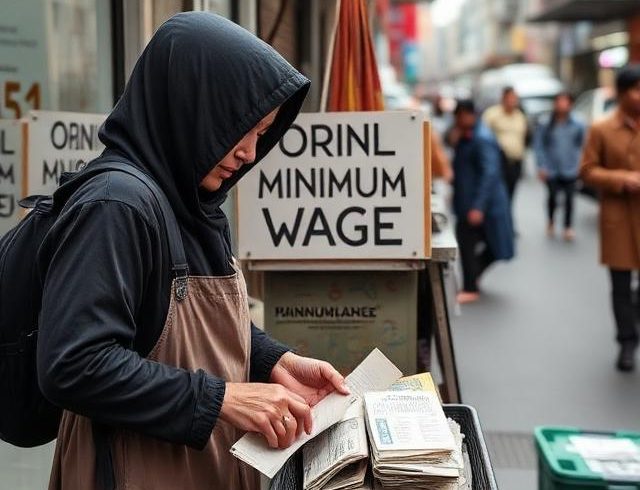
As of March 2026, the daily minimum wage in Thailand operates on a multi-speed track, with core economic hubs already at the 400 THB mark, while other regions follow a phased escalation.
1. The Current State of the 400 THB Baseline (March 2026) While the ultimate goal is a uniform national rate, the National Wage Committee has implemented a strategic;sectoral and regional rollout to allow businesses time to adjust.
The Tier 1; Regions (400 THB/Day Fixed)
As of mid-2025 and continuing through 2026, the following areas have officially locked in the 400 THB daily rate across all business sectors:
The Nationwide Sectoral 400 THB Rate
Regardless of geographic location, the 400 THB rate appliesth more than 50 rooms or offering food services).
Note: Small boutique Type 1 hotels with fewer than 50 rooms are currently exempt from the nationwide 400 THB floor but must follow their specific provincial rate.
Entertainment Establishments: Including licensed nightclubs, pubs, and karaoke venues as defined by the Entertainment Places Act.
2. Regional Disparities: The 2026 Wage Gap
For businesses outside the Tier 1 hubs, the daily wage remains a patchwork of rates ranging from 337 THB to 380 THB. This reflects the “Polluter Pays” and “Cost of Living” logic—provinces with lower overheads have a lower wage floor.
Region / District 2026 Daily Rate
3. Compliance Challenges for Employers
The 2026 hikes have introduced significant administrative burdens, particularly for SMEs (Small and Medium Enterprises) in the manufacturing and agricultural sectors. The Overtime Multiplication Effect
The minimum wage is the base for all other labor calculations. A move from 350 THB to 400 THB represents a 14% increase in base cost, but the actual impact is higher due to:
Overtime (OT): Calculated at 1.5x the new base rate.
Social Security (SSO) Contributions: In 2026, the SSO has adjusted its salary base caps, meaning employers are seeing a "double hit" from higher wages and higher mandatory contributions.
Severance Pay: Long-term liability increases immediately, as severance is based on the last received wage.
The 2026 Employee Welfare Fund Postponement
In a rare concession to business groups (FTI and Thai Chamber of Commerce), the Cabinet postponed mandatory contributions to the Employee Welfare Fund until October 1, 2026. This gives businesses a temporary breather" while they absorb the 400 THB wage hike.
4. Strategic Impact: The Move Toward 600 THB (2027) The 400 THB baseline is not the end-goal. The Ministry of Labour has signaled that further hikes are scheduled for late 2026 to stay on track for the 600 THB/day target by 2027.
Automation as a Response
In the Eastern Economic Corridor (EEC), we are seeing a massive surge in investment in Industry 4.0 automation. Manufacturers are choosing to replace unskilled labor with robotic arms and AI-driven logistics rather than sustain a workforce at 600 THB/day. This “forced upskilling” is a intended side-effect of the governments high-wage policy.
5. Summary Checklist for 2026 Payroll Compliance
Verify Sector: Does your business fall under Hotels Type 2-4 or Entertainment. If so, pay 400 THB regardless of province.
Verify Location: Is your registered office in Bangkok or the EEC? Ensure your 2026 payroll reflects the 400 THB floor.
Update SSO: Ensure the new daily rates are cross-referenced with the 2026 SSO salary base adjustments.
Contract Amendments: Issue Notification of Wage Adjustment letters to all staff to maintain a clear legal paper trail.

The information contained in our website is for general information purposes only and does not constitute legal advices. For further information, please contact us.