
- About Us
- Legal Services
- Family Law
- Property
- Marriage
- Immigration
- Contact
- Payments
 The use of “soft power” has arrived in Thailand. From Siamese to National Icon. Thailand is trying to ensure that the country is viewed differently. This through the use of “soft power” in the Thai Cat. We look at cultural icon in the article called from Siamese to National Icon.
Through a series Cabinet resolutions and legislative updates in late 2025. Thailand has “legalized” the Thai cat as a National Identity. This is a strategic legal move to protect intellectual property as well as to boost the creative economy. The country wants to legalize cultural ownership over breeds that have captivated the world for centuries.
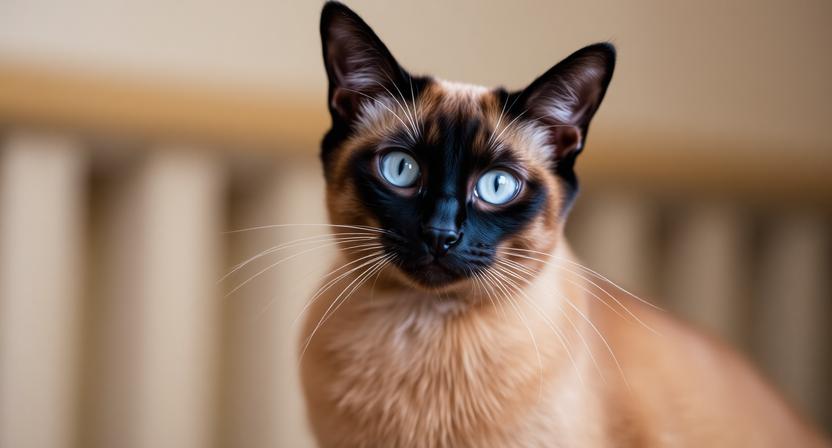
The journey to “National Identity” status reached its peak just weeks ago. On November 18, 2025, the Thai Cabinet approved a proposal from the National Identity Committee (NIC) to designate native Thai cats as a national symbol in the “Companion Animal” category. We read further on the article from Siamese to National Icon.
Historically, Thailand has used this designation for heavyweights of heritage: the Thai Elephant (National Animal), the Siamese Fighting Fish (National Aquatic Animal), and the Naga (National Mythical Creature). By adding the Thai cat to this list, the government has achieved three legal objectives:
Intellectual Property Protection: Preventing foreign breeders from “trademarking” or claiming sole standards for breeds that originated in the Ayutthaya period.
Genetic Safeguarding: Establishing a state-backed registry to ensure the survival of purebred bloodlines.
Economic Branding: Allowing the “Soft Power Committee” to use cat imagery in official tourism, fashion, and digital content campaigns with the same weight as the Wai or Thai silk.
While the Tamra Maew (The Treatise on Cats) from the Ayutthaya era originally listed 17 auspicious breeds, only five remain in existence today. These are now the officially “legalized” faces of Thai heritage.
Breed | Nickname | Key Legal Status | Symbolic Meaning |
Wichien Maat | Siamese | The “Global Ambassador” | Royalty and Divinity |
Korat | Si Sawat | The “Fortune Cat” | Prosperity and Rain |
Suphalak | Copper Cat | The “Rare Gem” | Social Rank and Wealth |
Konja | Black Cat | The “Singular Black” | Power and Protection |
Khao Manee | White Jewel | The “Diamond Eye” | Purity and Longevity |
Each of these breeds is now protected under the National Identity Framework, meaning they are prioritized for state-funded conservation and international breed standard negotiations to take it from Siamese to National Icon.
A major driver behind this 2025/2026 legal push was the “Siamese Cat Dispute.” For over a century, the West has set the “standards” for what a Siamese cat should look like (often favoring the “Modern Siamese” with a highly triangular head).
Thai breeders argued that this “Westernization” erased the authentic Wichien Maat—the sturdier, apple-headed cat found in ancient Thai manuscripts. By legalizing the “Thai Cat” as a national identity, Thailand is asserting its Right of Origin.
The Global Standard Shift: The World Cat Federation (WCF) recently recognized the Suphalak as an international breed. This following Thai government lobbying.
Anti-Appropriation: Likewise this status provides a legal basis for Thailand to challenge international organizations that attempt to register “Thai” breeds. This without acknowledging their genetic and cultural roots in the Kingdom.
The legalization isn’t just a win for history buffs. This move is also a boost for what has been called the “Pet Economy,”. This has been one of Thailand’s fastest-growing sectors in 2026.
1. The “Cat Cafe” Tourism
The Ministry of Culture is now partnering with registered “Heritage Cat Cafes” in Bangkok and Chiang Mai. These are not just cafes. They are now classified as “Living Museums.” Tourists can visit to see the Khao Manee or Suphalak, with the venues. Likewise receiving tax incentives for maintaining purebred standards and educating the public. Thus taking us from Siamese to National Icon.
2. Digital Soft Power: The “Lisa” Effect
The power of Thai cats was inadvertently supercharged by global icons like Lisa (Lalisa Manobal). Those whose well-documented love for her “L Family” of cats. They brought international eyes to Thai feline culture. The government’s 2025 law capitalizes on this by integrating cat imagery into the “One Family, One Soft Power” or (OFOS) program. Likewise, supporting designers who use Thai cat motifs in fashion and animation.
While the “National Identity” status is about glory and heritage. This now also intersects with the practical Bangkok Pet Ownership Laws starting January 10, 2026.
Mandatory Registration: All cats in Bangkok, including the five national breeds. They must be microchipped and registered in the BMA database.
The “Heritage Discount”: In a move to encourage the preservation of native breeds, the BMA has discussed (though not yet finalized) lower registration fees or subsidized medical check-ups for owners of the five “National Identity” breeds to prevent them from falling into the “stray” population.
In the West the law protects heritage through Geographical Indications (GI) or strict Animal Welfare Acts. Thailand’s approach is a “Third Way”:
Soft Power vs. Litigation: Rather than suing foreign breeders. This is expensive and difficule. Thailand is using National Identity to win the “War of Perception.” By branding these cats as uniquely Thai. So they increase their value and prestige globally.
Cultural Enforcement: A “National Identity” designation creates a social contract. Thais feel a sense of collective ownership. In 2026, we see more “Community Cat Care” programs specifically targeting the protection of native-looking strays. This as they are now seen as pieces of “Living History” rather than just street animals.
By giving the Wichien Maat and the Korat the same legal status as the Thai Elephant. Thailand is ensuring that these feline ambassadors continue to represent the Kingdom on the world stage for another seven centuries.

The information contained in our website is for general information purposes only and does not constitute legal advices. For further information, please contact us.